By Mrudula Mundkur
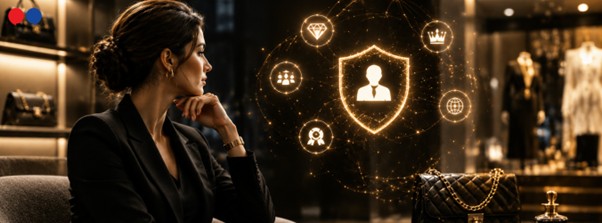
Luxury brands are entering a digital era where selective visibility matters more than being everywhere. Unlike traditional digital marketing, luxury branding relies on exclusivity, perception, and controlled access to maintain desirability.
Today, luxury brands are giving more importance to digital authority than online visibility. Consumers are responding more to brands that maintain a polished and selective digital presence. This shift is changing modern luxury brand marketing strategy across content, branding, and engagement.
The priority is slowly moving from wider reach to stronger influence. Conversations around digital authority vs digital reach are becoming more important in luxury digital marketing. Brands with strong authority usually build greater trust, maintain premium positioning, and strengthen customer relationships.
Let us understand why luxury brands are prioritising authority over reach and how this shift is shaping the future of premium digital branding.
Digital authority in luxury branding refers to the ability of a brand to create trust, desirability, and prestige through curated digital experiences rather than mass visibility. It is built through perception, emotional value, and selective communication.
Luxury brands build authority through:
Unlike mass-market brands, luxury brands are not built only on reach or engagement. Their value comes from exclusivity, craftsmanship, and how people perceive the brand over time. Strong brand authority building also supports long-term loyalty and stronger premium brand positioning.
Digital reach means getting seen by more people. Digital authority means people trust and value the brand. Reach increases visibility, while authority builds stronger brand perception over time.
The comparison of digital authority vs digital reach is becoming more important for luxury brands that want to stay relevant online without losing their premium image.
| Digital Reach | Digital Authority |
| Mass visibility | Selective visibility |
| Impressions and clicks | Trust and desirability |
| Algorithm-driven | Brand-controlled |
| Short-term growth | Long-term equity |
Luxury brands are now recognising that visibility without exclusivity weakens differentiation. Authority-driven branding creates sustainable desirability while preserving prestige.
Luxury brands are changing their digital strategies as consumer expectations and online behaviour continue to evolve. The focus is no longer on being visible everywhere. Instead, brands want to appear more valuable, purposeful, and culturally relevant.
Luxury brands depend on exclusivity, while digital platforms reward constant visibility. Too much online exposure can make a brand feel less exclusive. A selective digital presence helps preserve that sense of rarity.
Scarcity has always mattered in luxury buying. People still associate limited access with status. An exclusive brand marketing approach helps preserve this image and keeps the brand desirable.
Luxury pricing is tied to both product quality and brand perception. When a brand becomes too visible, it can feel less exclusive. A strong digital authority helps maintain trust and prestige.
People are more likely to pay premium prices when a brand feels consistent and exclusive. This is why authority-driven branding supports strong premium brand positioning.
Luxury customers expect the same brand experience across stores, websites, apps, and social media. Digital authority helps brands maintain a consistent premium image across all platforms.
Strong luxury customer experience strategies help connect offline and online interactions. This consistency helps build trust and strengthen the brand image over time.
Luxury consumers now prefer communication that feels personal. Many brands now focus more on customised services, tailored recommendations, and direct customer interaction than broad advertising.
This approach is changing the digital branding strategy of luxury brands. For many brands, connecting with a specific audience is becoming more important than simply reaching a larger audience. Personalisation also helps brands maintain a sense of exclusivity.
Luxury brands now choose their partnerships and online presence more carefully. Visibility alone is no longer enough. Brands also want to protect their exclusivity and image.
Strategic collaborations help luxury brands stay connected with a changing culture while protecting their prestige. This balance is becoming important in modern luxury consumer behaviour trends.
Luxury brands build digital authority through careful online positioning. They maintain a premium image, consistent branding, and exclusivity across different digital platforms.
Some common approaches used in luxury digital marketing include:
Authority is built over time through consistent and premium brand experiences. Strong brand authority building helps luxury brands maintain prestige while growing their digital presence.
Some luxury brands are carefully using digital platforms to stay exclusive while building a stronger brand image.
Gucci has adopted digital experiences while maintaining its exclusivity. Projects like Gucci Garden on Roblox helped the brand connect with younger audiences in a more engaging way without affecting its luxury image.
The brand remained digitally relevant while maintaining its exclusivity and appeal.
Louis Vuitton used live-stream runway shows and digital experiences to reach online audiences. At the same time, the brand remained selective about its presentation to protect its luxury image.
This helped Louis Vuitton connect with more people while still feeling premium and exclusive.
Chanel keeps strict control over its online sales and digital presence to maintain exclusivity. Its digital experience reflects the same elegance seen in its physical boutiques.
This shows how careful digital management can help protect a luxury brand image.
Balenciaga partnered with Fortnite to connect with digital culture in a more selective way. The collaboration brought gaming and luxury together without making the brand feel overexposed.
This form of selective cultural participation supports long-term digital authority while keeping the brand relevant to younger luxury audiences.
AI in luxury marketing is helping brands create personalised, high-value digital experiences that strengthen authority rather than expand indiscriminate reach. AI allows luxury brands to understand preferences, predict intent, and deliver curated experiences.
Key applications include:
Luxury brands are now using AI to offer more personalised and selective experiences instead of depending on broad digital exposure. Consumers are responding more to relevance and exclusivity than to constant visibility.
This is changing how luxury brands build customer relationships and create premium digital experiences.
Luxury brands that focus too much on visibility can weaken the exclusivity that gives them value. Constant exposure can make a brand feel too common and less desirable.
Several risks emerge when authority is ignored:
Luxury brands that start behaving like mass-market brands can lose their uniqueness. A strong digital branding strategy should maintain exclusivity while helping the brand stay relevant digitally.
The future of luxury marketing will focus more on selective engagement, personalised experiences, and private digital spaces. As digital platforms become more crowded, digital authority will become even more important.
Future-focused luxury strategies will likely include:
Luxury brands are focusing more on exclusivity, customer loyalty, and brand value instead of mass online visibility. This reflects changing consumer behaviour and the need to maintain a premium image online.
Agencies like The Brand Saloon help luxury and premium brands grow through selective branding and stronger customer connections instead of relying on broad digital reach.
Luxury brands are focusing more on digital authority because exclusivity still matters in luxury marketing. Visibility can attract attention, but authority helps brands maintain trust, prestige, and value over time.
Modern luxury consumers look for curated experiences, personalised engagement, and meaningful brand connections. Strong authority-driven branding helps brands maintain premium positioning and stronger customer loyalty.
In luxury marketing, success is not about being visible everywhere. It is about being trusted, selective, and memorable.
Digital authority is the trust, reputation, and premium perception a luxury brand builds through its online presence.
Too much visibility can make a luxury brand feel less exclusive and reduce its premium appeal.
Digital reach focuses on visibility, while digital authority focuses on trust, influence, and brand perception.
Exclusivity increases desirability and helps luxury brands maintain their premium positioning.
They focus on selective visibility, strong branding, premium storytelling, and personalised experiences.
AI helps brands personalise customer experiences, recommendations, and digital communication.
Personalised experiences make customers feel valued and help brands maintain exclusivity.
A strong brand image helps customers associate the brand with quality, trust, and prestige.
Overexposure can make a brand feel too common and weaken its exclusivity.
Luxury brands will focus more on selective visibility, personalisation, and premium digital experiences.
 India:
[email protected]
India:
[email protected]
+91 86559 67847
 Thailand:
[email protected]
Thailand:
[email protected]
+66 64 570 5010
 Middle East:
[email protected]
Middle East:
[email protected]
+971 58 690 6377
Human Resource:
[email protected]
+91 86559 67848


Copyrights © 2026 All Rights Reserved by The Brand Saloon - Best Digital Marketing Agency India | Privacy Policy